
Your Guide to a Smooth Brow Lift Recovery
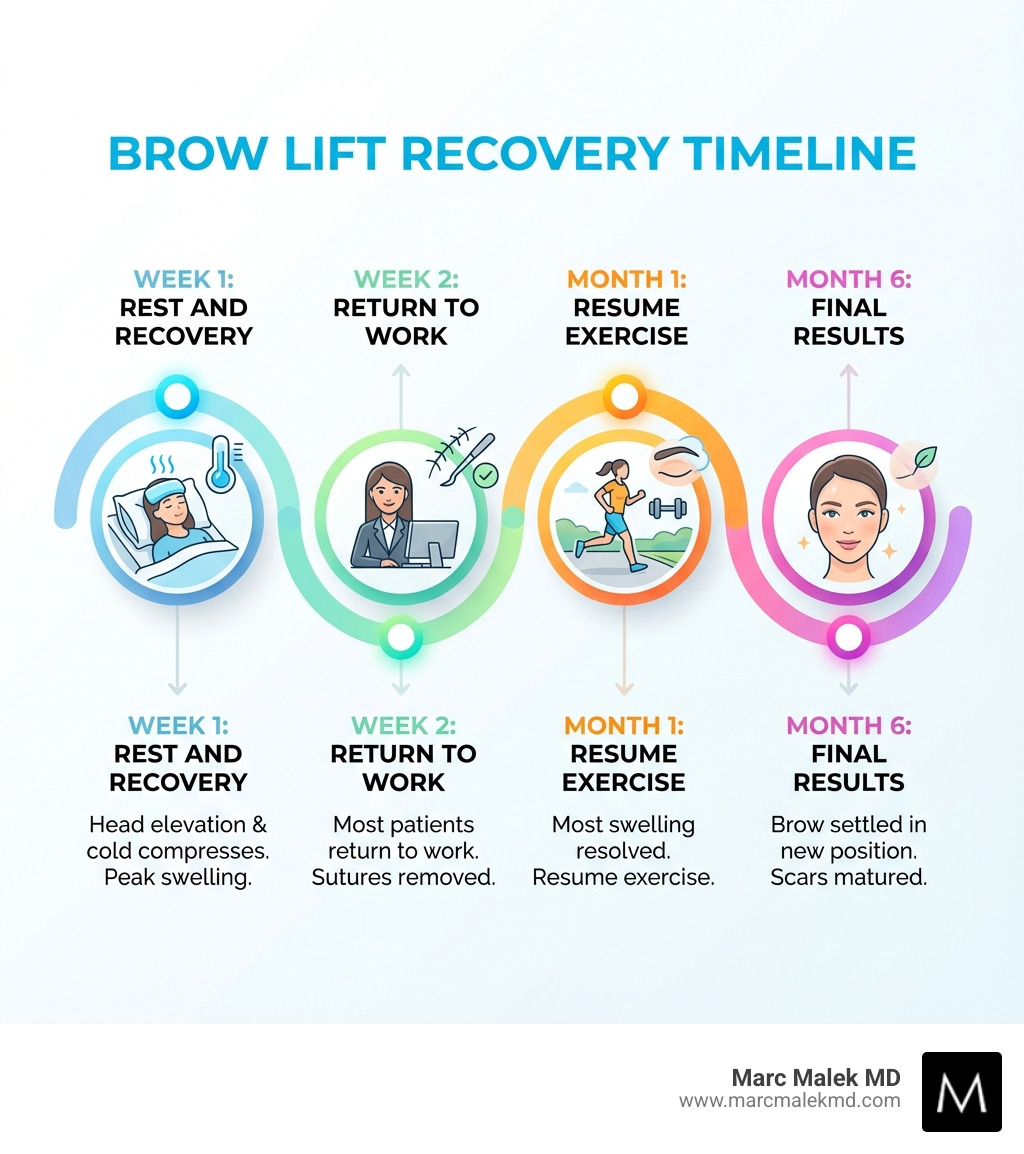
Brow lift recovery is a journey that typically takes 10-14 days for initial healing, with most patients returning to work within two weeks. Complete recovery and final results emerge over several months, as swelling subsides and your brow settles into its new, refreshed position.
Quick Recovery Overview:
- First 48-72 hours: Peak swelling and bruising, rest with head lifted
- Week 1: Sutures removed, bruising begins to fade, light walking encouraged
- Weeks 2-4: Return to work (most patients by day 10-14), resume driving and light activities
- Months 1-3: Resume exercise, most swelling resolved, scars start fading
- Months 3-6: Final results emerge, complete healing achieved
Understanding what to expect during your recovery can transform anxiety into confidence. Over 88,000 brow lift procedures are performed in the United States each year, and most patients find the healing process more manageable than they anticipated. The key is knowing what’s normal, following your surgeon’s instructions carefully, and being patient with your body as it heals.
Whether you’re considering an endoscopic brow lift with its smaller incisions or a traditional coronal approach, your recovery timeline will follow a predictable pattern. The first few days require rest and careful attention to post-operative care. Within two weeks, you’ll notice significant improvement. By six months, you’ll enjoy your final, natural-looking results.
This guide walks you through every stage of recovery, from the immediate post-operative period through the emergence of your final results. We’ll cover practical tips for managing swelling and discomfort, when you can resume normal activities, and how to recognize signs that require your surgeon’s attention.
Understanding Brow Lift Procedures and Their Impact on Healing
When we talk about a brow lift, we’re discussing a cosmetic procedure designed to lift drooping eyebrows and reduce lines and wrinkles on the forehead, creating a more youthful and refreshed appearance. There isn’t a one-size-fits-all approach; several techniques can be employed, and each has slight nuances that might influence your brow lift recovery. While the general principles of healing remain consistent across all types, the location and size of incisions can subtly affect your initial post-operative experience.
At Preferred Plastic Surgery, we pride ourselves on a personalized and artistic approach to facial plastic surgery, ensuring that the chosen technique aligns perfectly with your aesthetic goals and facial anatomy. To learn more about the various options we offer, please visit our dedicated page: More info about brow lift options.
Let’s explore the primary types of brow lift procedures and how they influence your journey to a refreshed look:
Endoscopic Brow Lift
The endoscopic brow lift is a favorite for those seeking a less invasive path to a refreshed appearance. We make three to five small incisions, typically an inch or less, hidden discreetly behind your hairline. Through these tiny openings, we insert an endoscope – a small camera – to guide our work, allowing us to precisely adjust and secure the underlying tissues and muscles.
This approach often translates to a shorter initial brow lift recovery time. Patients frequently report less swelling and bruising compared to traditional methods. Many of our patients in Scottsdale and Phoenix find they can return to work within about a week, making it an excellent option for those with busy schedules. The hidden incisions mean minimal visible scarring, a huge plus for self-consciousness during healing.
Coronal (Classic/Open) Brow Lift
The coronal brow lift, sometimes called an open or traditional brow lift, is the grand dame of brow lifting techniques. It involves a single, continuous incision across the top of the head, typically from ear to ear, hidden within the hair. This method allows for the most extensive correction of significant forehead sagging, deep wrinkles, and frown lines.
While it offers dramatic and long-lasting results, the coronal brow lift does involve a more extensive brow lift recovery period due to the longer incision. Patients can expect more initial swelling and bruising, and the return to work usually takes closer to two weeks. However, for individuals with significant forehead laxity or a high hairline that needs to be addressed, this technique can provide unparalleled rejuvenation. Our skilled surgeons ensure the incision is carefully placed for optimal camouflage within your natural hairline.
Temporal or Limited Incision Brow Lift
Think of the temporal or limited incision brow lift as a clever hybrid. It uses shorter incisions than the coronal method, typically two to three inches long, placed on each side of the temporal hairline or scalp. This technique primarily focuses on lifting the outer portion of the eyebrows, which often droops first with age.
The temporal brow lift is fantastic for addressing a tired or sad expression caused by outer brow descent. It offers a quicker brow lift recovery than the full coronal lift and is often combined with other procedures, such as Eyelid Surgery (blepharoplasty), to achieve a comprehensive upper facial rejuvenation. This allows us to create a harmonious and balanced look around your eyes and forehead.
Your Detailed Brow Lift Recovery Timeline

Understanding the typical brow lift recovery timeline is like having a roadmap for your healing journey. While everyone heals at their own pace, we can give you a general idea of what to expect, day by day, week by week, as you gradually improve and reveal your refreshed self. Patience is truly a virtue during this period, but knowing the milestones can make the process feel much smoother.
The First 48-72 Hours: The Peak of Swelling
Welcome to the initial phase of your brow lift recovery! Right after surgery, you’ll likely feel drowsy from the anesthesia. Our team will monitor you closely in the recovery area before you’re cleared to go home with your pre-arranged driver.
During these first few days, your forehead may be taped and/or loosely wrapped to minimize swelling and bruising. Some patients might have a thin drainage tube, though this isn’t always necessary for brow lifts. You’ll receive specific instructions on wound care and medications.
This is when swelling and bruising are at their peak. Maximum swelling typically occurs within 48 to 72 hours post-surgery. Discomfort and a sensation of tightness across your forehead are common, but significant pain is rare. Most patients describe their forehead as feeling tight and somewhat numb. We’ll provide you with prescribed pain medication to keep you comfortable. It’s crucial to keep your head lifted, even when sleeping, to help reduce swelling. Think of it as giving gravity a helping hand!
Week 1: Turning the Corner
By the fourth or fifth day, the peak swelling usually starts to subside – hooray! Bruising, which might have settled around your eyes, will also begin to fade. This is typically when we’ll see you for your first post-operative appointment to check on your healing progress.
Sutures or staples are often removed around one week after surgery. You might notice some itching as your nerves begin to reawaken, which is a normal part of the healing process. While heavy lifting and strenuous activity are still off-limits, we encourage light walking to aid circulation. Even a short stroll around your home in Scottsdale can make a difference.
For more insights directly from a plastic surgeon, we recommend this guide: A plastic surgeon’s guide to recovery.
Weeks 2-4: Returning to Normalcy
This period marks significant improvement in your brow lift recovery. Most of the visible bruising and swelling will have resolved within two weeks, allowing your true results to start shining through.
Many patients feel ready to return to work and resume most normal activities within 10 to 14 days post-surgery, especially those who underwent an endoscopic brow lift. If your procedure was more extensive, it might take closer to two weeks. You can also typically resume driving in the second or third week, once you’re off pain medication and feel fully alert and comfortable. We’ll advise you to continue avoiding strenuous activities that could raise your blood pressure for a few more weeks.
Months 1-3: Seeing the Progress
By one month, most of the initial swelling should have entirely resolved, giving you a much clearer view of your new, refreshed appearance. This is often a key point in brow lift recovery where patients feel a significant boost in confidence.
You can usually resume more strenuous exercise and workouts, starting at about half your usual intensity and gradually increasing as your body allows. Remember to listen to your body and avoid anything that causes discomfort. Scars, though initially red, will begin to fade and flatten during this time. It’s not unusual to experience temporary hair loss next to the incisions, starting 1-2 months after surgery, but don’t worry – these “stunned” hair follicles normally start re-growing within 3 to 6 months.
Months 3-6: The Final Results Emerge
This is the home stretch of your brow lift recovery! Between three and six months, your brow will fully settle into its new, lifted position, and the final results of your surgery will emerge. Any residual swelling will be completely gone, and your scars will continue to mature, becoming much less noticeable.
This is the time to truly enjoy your refreshed, natural-looking appearance. The forehead should appear smoother and younger, with beautifully raised brows and fewer creases. While the healing process might have felt like a marathon, the fantastic results are worth the wait. For more information on what to expect during recovery from various facial procedures, you can explore our blog: More on recovering from facial procedures.
Essential Post-Operative Care and Symptom Management
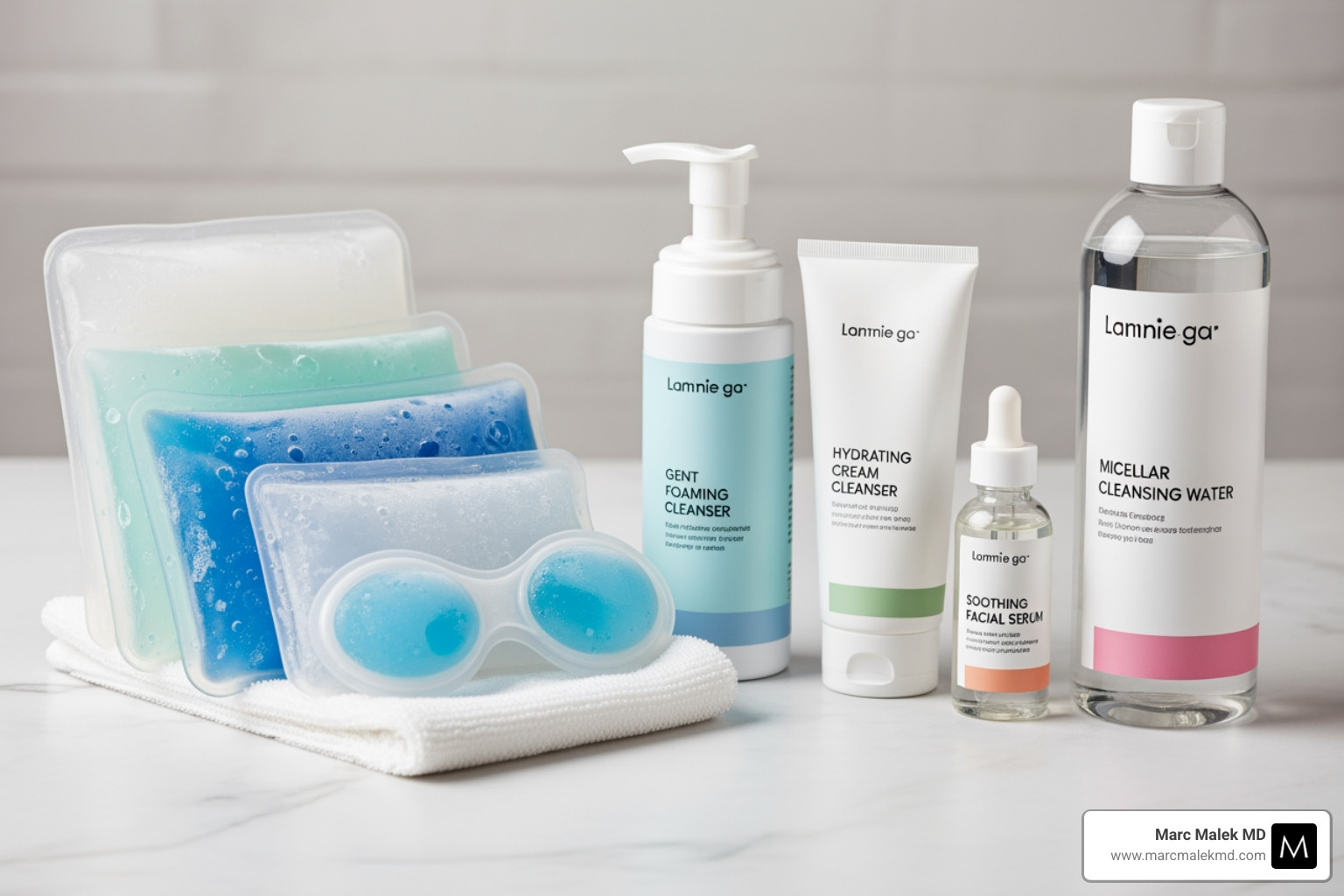
A smooth and successful brow lift recovery hinges on diligent post-operative care. By following our instructions carefully, you’ll not only improve your comfort but also promote optimal healing and ensure the best possible aesthetic outcome. Think of us as your coaches, guiding you through every step of this important process.
Managing Swelling and Bruising
Swelling and bruising are simply your body’s natural response to surgery, and we have excellent strategies to minimize them:
- Cold Compresses: For the first 48 to 72 hours, apply cold compresses (like soft, cool gel packs or ice wrapped in a thin towel) to the areas around your eyes and forehead. Aim for at least six times a day, for approximately 15 minutes each session. Be gentle and avoid direct skin contact with ice. Once the initial swelling and bruising begin to subside, your surgeon might recommend transitioning to warm compresses to further aid the healing process.
- Head Elevation: Keep your head lifted, even when sleeping, for at least the first five to seven days. Sleeping on your back with two or three pillows, or using a wedge pillow, helps fluid drain away from the surgical area, significantly reducing swelling.
- Avoiding Heat: In the initial days, avoid anything that might increase blood flow to your face, such as hot showers, saunas, or strenuous activities.
- Arnica and Bromelain: With your surgeon’s explicit approval, certain supplements like arnica and bromelain may help reduce bruising. Always consult with us before taking any over-the-counter medications or supplements during your brow lift recovery.
Incision and Scar Care
Caring for your incisions is paramount to preventing infection and ensuring minimal scarring:
- Keep it Clean and Dry: Follow our specific instructions for keeping your incision sites clean and dry. We’ll advise you on when and how to gently clean the area.
- Prescribed Ointments: We may prescribe special ointments or creams to apply to your incision lines. These help keep the skin moist and promote healing. Do not apply makeup directly on incision lines until cleared to do so.
- Sun Protection: This is a big one! For the initial two weeks of your brow lift recovery, keep the surgical area covered or avoid direct sun exposure. After two weeks, we strongly recommend applying a physical sunblock with zinc to your incisions daily. Protecting these delicate areas from UV rays is crucial to prevent discoloration and ensure your scars fade as much as possible.
- Scar Management: Once your incisions have fully closed and healed, we can discuss advanced scar management techniques, such as silicone sheets or gels, to further improve their appearance. You can find more information on scar management here: Information on scar management.
Pain and Discomfort Management
You won’t feel pain during the procedure itself thanks to anesthesia. Afterwards, most patients experience discomfort and tightness rather than severe pain:
- Prescription Pain Medication: We will prescribe pain medication to manage any discomfort during the first few days of your brow lift recovery. It’s often more effective to take these regularly, as instructed, rather than waiting for the pain to become established.
- Over-the-Counter Options: Once you’ve transitioned off prescription medication, over-the-counter pain relievers like acetaminophen (Tylenol) can be effective. Always check with us before taking any new medications, as some, like aspirin or ibuprofen, can increase bleeding.
- Tightness and Numbness: These sensations are very common and entirely normal. Your forehead will feel tight, and some areas of your scalp may feel numb. Numbness can persist for several weeks or even months as nerves regenerate, and itching can occur as they reawaken. Be cautious with hot water or hairdryers on numb areas to avoid burns.
- When to Call About Pain: While discomfort is expected, severe or uncontrolled pain is not. If your pain suddenly worsens, becomes unbearable, or isn’t managed by your medication, please contact our office immediately.
The Role of Nutrition in Healing
What you put into your body plays a significant role in how quickly and effectively you heal:
- Hydration: Drink plenty of water throughout your brow lift recovery. Staying well-hydrated helps your body flush out toxins and can also assist in minimizing swelling.
- Protein for Tissue Repair: Protein is the building block of new tissue. Incorporate lean meats, fish, eggs, and legumes into your diet to support your body’s repair processes.
- Vitamin C and A: These vitamins are vital for healing. Vitamin C, found in citrus fruits, bell peppers, and strawberries, supports collagen production. Vitamin A, present in carrots and leafy greens, aids in skin health.
- Antioxidant-Rich Foods: Fruits and vegetables packed with antioxidants help reduce inflammation and protect your cells during healing.
- Low-Sodium Diet: A low-sodium diet can help prevent fluid retention, which contributes to swelling. Avoid processed foods and sugary drinks, as they can hinder healing.
Potential Risks and When to Contact Your Surgeon
While brow lift surgery is generally safe and effective, like any surgical procedure, it carries some potential risks and side effects. Our priority is always your safety and peace of mind. We’ll discuss all potential outcomes thoroughly during your consultation, ensuring you’re fully informed. Knowing what to expect, and more importantly, when to contact us, is a crucial part of your brow lift recovery.
For general information on brow lift risks, you can refer to resources like this one from Cleveland Clinic: Information from Cleveland Clinic on risks.
Common, Temporary Side Effects
Many experiences during brow lift recovery are normal and temporary. These typically resolve on their own as your body heals:
- Numbness: It’s common to experience numbness in your forehead or scalp. This is due to nerve disruption during surgery. As nerves regenerate, sensation gradually returns, but this can take several weeks or even many months. For open brow lifts, total numbness behind the incision can persist for nine to twelve months or longer.
- Itching: As nerves reawaken and the skin heals, you might notice an itching sensation. This is a positive sign of healing, though it can be annoying!
- Scalp Tightness: A feeling of tightness in your forehead and scalp is normal as the tissues have been repositioned. This sensation typically subsides over several weeks.
- Temporary Hair Loss Near Incisions: Some patients may experience temporary hair thinning or loss next to the incision sites, usually starting 1-2 months after surgery. These “stunned” hair follicles typically re-grow within 3 to 6 months.
Signs of Complications to Watch For
While complications are rare, be aware of signs that warrant immediate medical attention. If you experience any of the following, please contact our Scottsdale office without delay:
- Fever over 100°F (37.77°C): A persistent or high fever can indicate an infection.
- Excessive Bleeding or Swelling: Some oozing is normal, but if bleeding is excessive (e.g., soaking a washcloth in an hour) or swelling rapidly increases on one side, it needs to be checked.
- Severe, Uncontrolled Pain: While discomfort is expected, severe pain that isn’t relieved by your prescribed medication could be a sign of an issue.
- Green or Yellow Discharge: Any pus-like discharge from your incisions is a clear sign of infection.
- Sudden Vision Changes: Although rare, any changes in your vision should be reported immediately.
- Asymmetry Concerns: While some initial asymmetry due to swelling is normal, if you notice significant or worsening unevenness, especially if accompanied by other symptoms, let us know.
Long-Term Results and Maintenance
After navigating your brow lift recovery, you’ll be eager to enjoy and maintain your refreshed look. A brow lift provides long-lasting results, but it’s important to understand that while the procedure turns back the clock, it doesn’t stop it. The natural aging process will continue, but you will always look younger and more refreshed than if you hadn’t had the surgery.
What to Expect 6 Months and Beyond
By six months post-surgery, your brow lift recovery is essentially complete. This is when you can truly appreciate the final, settled results. Your forehead will be smoother, your brows beautifully lifted to a natural and refreshed position, and those pesky frown lines between your eyebrows will be significantly diminished. Any temporary hair loss near incisions will have resolved, and your scars will have matured, becoming much flatter and less noticeable.
The goal of our artistic approach at Preferred Plastic Surgery is to achieve a soft, relaxed, and naturally refreshed look – not an overly altered or “frozen” appearance. We want you to look like a younger, more vibrant version of yourself.
How to Maintain Your Brow Lift Results
To protect your investment and extend the longevity of your brow lift results, we recommend a few key maintenance strategies:
- Consistent Sun Protection: This is perhaps the most crucial step. UV radiation accelerates skin aging, leading to new wrinkles and sagging. Daily use of a broad-spectrum SPF 30+ sunscreen, along with seeking shade and wearing hats, will help preserve your skin’s elasticity and the smoothness of your forehead.
- Healthy Lifestyle: A balanced diet, regular exercise, adequate sleep, and avoiding smoking and excessive alcohol consumption all contribute to overall skin health and can help maintain your youthful appearance.
- Medical-Grade Skincare Routine: Investing in a high-quality skincare regimen recommended by our team can further improve and protect your results. Products with retinoids, antioxidants, and growth factors can support skin health and collagen production.
- Considering Complementary Treatments: As the years pass, you might consider non-surgical treatments to complement your brow lift. Options like BOTOX® injections can help relax the muscles that cause frown lines and keep your brows lifted, prolonging your results. Dermal fillers can also address volume loss. Explore more about these options here: Non-Surgical Facial Rejuvenation.
Frequently Asked Questions about Brow Lift Recovery
We understand you likely have many questions about brow lift recovery. Here are some of the most common ones we hear in our Scottsdale office:
How long does it take to recover from a brow lift?
Initial brow lift recovery, meaning the time until you can return to work and most social activities, typically takes 10 to 14 days. Most visible swelling and bruising will subside within two to three weeks. However, complete recovery, where all swelling has resolved and the final results are fully apparent, can take several months, usually between three to six months. Patience is key, as your body needs time to heal and settle into its new contours.
Is a brow lift procedure painful?
During the procedure, you won’t feel any pain thanks to anesthesia. After surgery, most patients describe their experience as discomfort, tightness, and numbness rather than significant pain. This sensation of tightness can feel a bit odd, but it’s a sign that the tissues have been repositioned. Any pain is typically manageable with the prescription medication we provide for the first few days. Over-the-counter pain relievers, as approved by your surgeon, can then be used. Severe or persistent pain is rare and should prompt you to contact us.
How long do the results of a brow lift last?
The results of a brow lift are long-lasting, often for many years. While the procedure repositions and refreshs your forehead and brows, it doesn’t halt the natural aging process. Over time, gravity and natural skin laxity will continue to affect your appearance. However, you will always look younger and more refreshed than if you had never undergone the procedure. Many patients find that by incorporating a good skincare regimen and maintaining a healthy lifestyle, they can extend the beautiful effects of their brow lift. Complementary non-surgical treatments, like BOTOX®, can also help maintain and prolong the results over the years.
Begin Your Rejuvenation Journey with Confidence
Your brow lift recovery is a journey, not a race. It requires patience, diligent care, and open communication with our team. But the destination—a more refreshed, youthful, and confident you—is truly worth it. Over 88,000 people choose this path each year, and many find the process more manageable than they initially anticipated, especially with the right guidance.
At Preferred Plastic Surgery, we believe in a personal and artistic approach to plastic surgery. Dr. Malek combines his expertise with an unwavering focus on patient comfort and convenience, aiming to deliver fantastic, long-lasting results that improve your natural beauty. We’re here to guide you through every step of your recovery, ensuring you feel supported and informed.
For a personalized consultation to discuss your goals and understand how a brow lift can refresh your appearance in Scottsdale, Arizona, contact our office today. Let us help you start on your journey to bouncing back beautifully.
Schedule your brow lift consultation
